

City | Venue | Transportation

June 17-20 | Valencia, Spain
Mastering embolization
June 17-20 | Valencia, Spain
Mastering embolization
June 17-20 | Valencia, Spain
Mastering embolization
June 17-20 | Valencia, Spain
June 17-20 | Valencia, Spain
Venue and Transportation
The city of Valencia is a beautiful, well maintained city full of charm located on the Mediterranean coast, where the subtle aromas of salty seawater and saffron (a defining element of the famous paella) are ever present in the gentle breeze. It is the capital of the Autonomous Community of Valencia and the third largest city in Spain, with over 800,000 inhabitants who speak both Castilian Spanish and Valencian.
Few other cities can boast such a rich cultural history, which has remained vivid and evolving from ancient times to the present day, with each era leaving its stamp on the city. There are also plenty of atmospheric restaurants and bars to enjoy after a full day at the conference.
Iconic Landmarks and Local Secrets
Valencia offers a seamless blend of ancient history and space-age design, providing a stunning backdrop for any visitor. Dr. Ana María Fernández Martínez is a particular admirer of this contrast, noting how the city’s historic charm is beautifully highlighted by the futuristic City of Arts and Sciences. She suggests that after an insightful day at the congress, attendees should head to the Turia Gardens or Malvarrosa Beach to soak in the relaxed Mediterranean vibe.
The historic soul of the city can be found in its ancient quarters, which Dr. Fernando Gómez Muñoz considers a must-see. In his opinion, the Barrio del Carmen, the winding streets of Ciutat Vella, and the breathtakingly ornate Palacio del Marqués de Dos Aguas are essential stops for anyone wishing to understand the city’s artistic past.
For those interested in exploring beyond the city limits, Dr. José Urbano recommends a trip to the Castle of Sagunto, located 30 km north of Valencia. These impressive ruins offer a silent chronicle of the diverse cultures that have passed through the Iberian Peninsula, from the Romans to the Moors. Whether you are wandering through the medieval old town or marveling at the modern skyline, the recommendations of our local hosts ensure a rich and authentic experience during your stay at ET 2026.
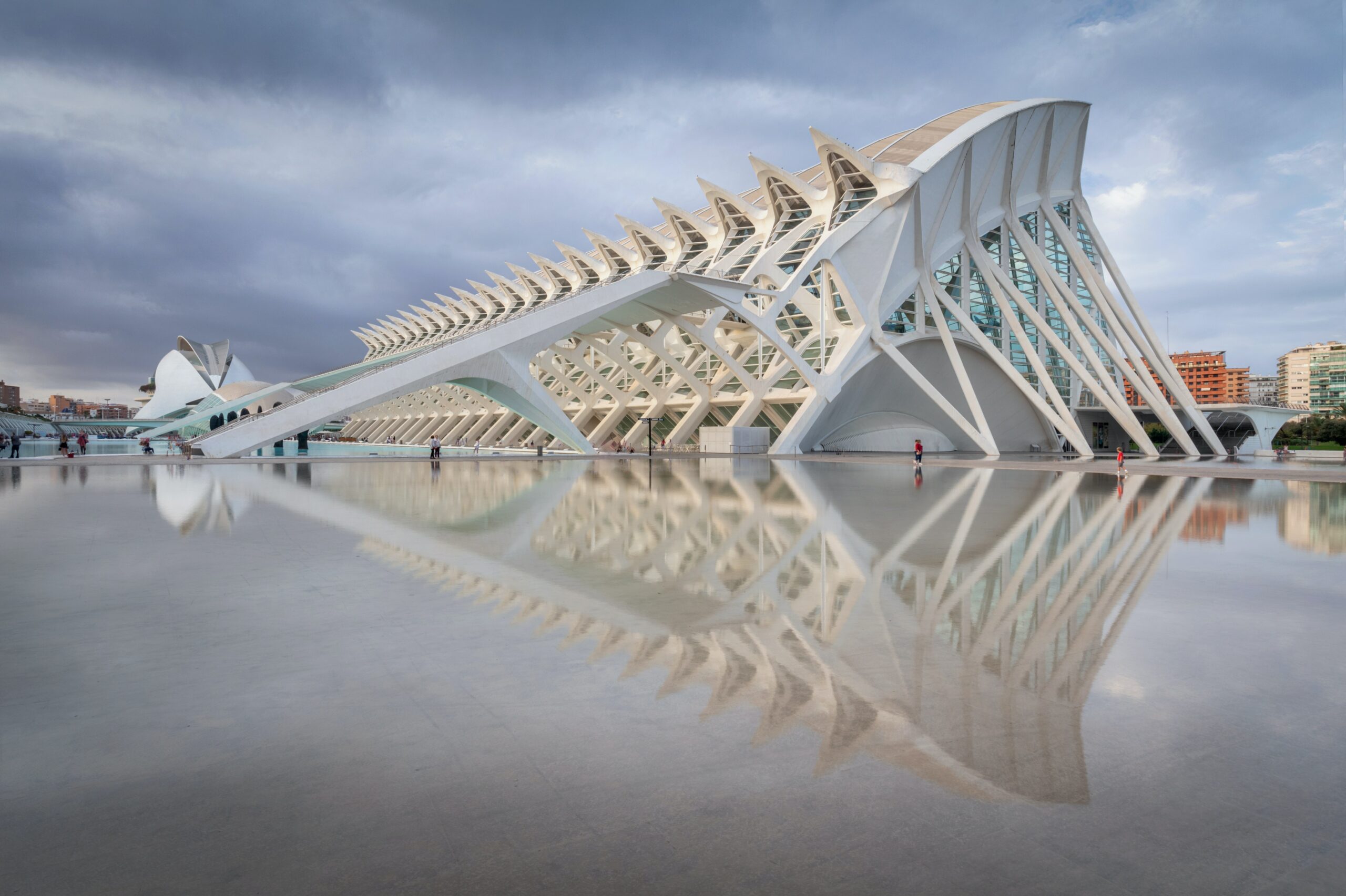
Museu de les Ciències Principe Felipe, City of Arts and Sciences
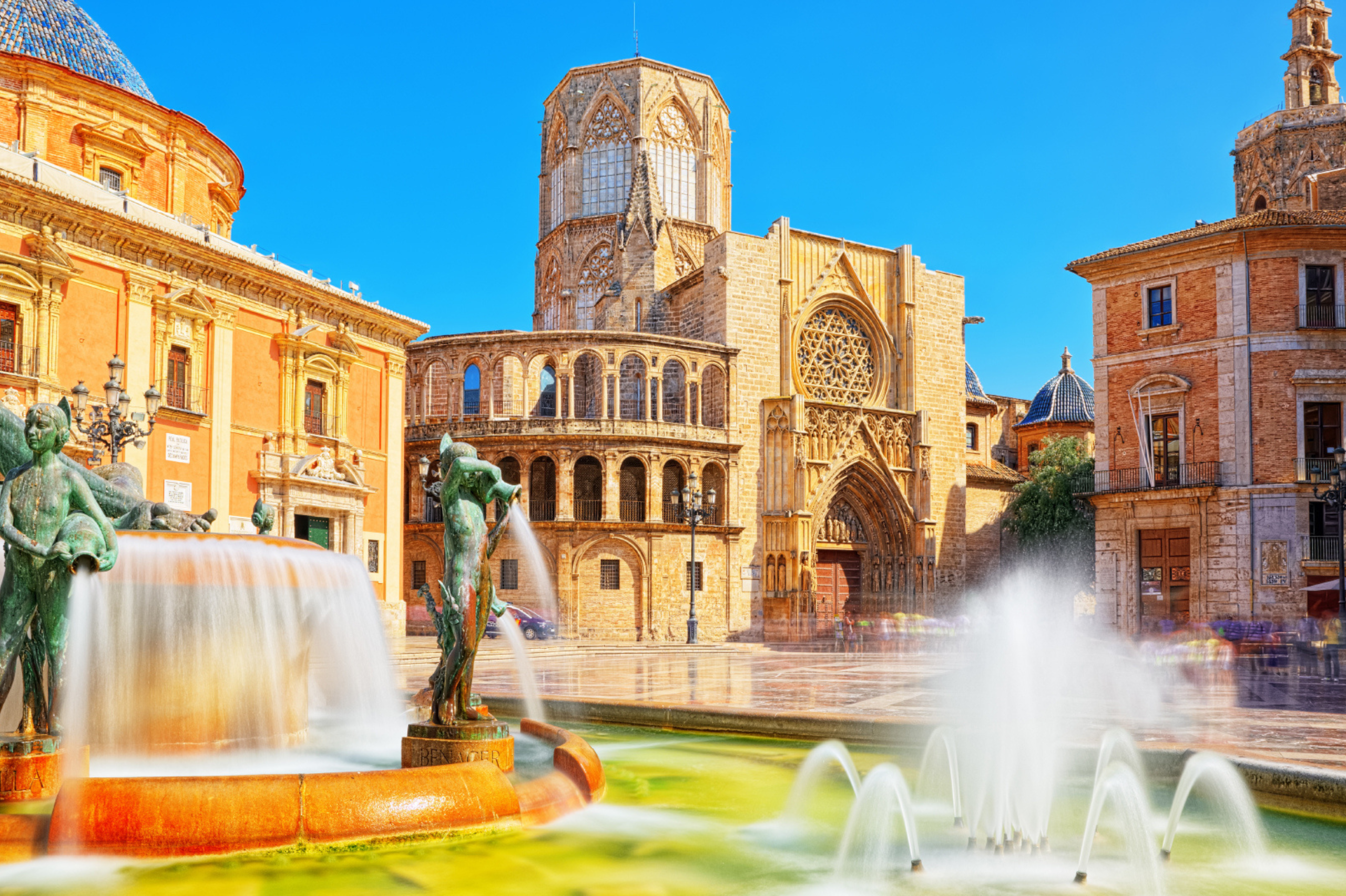
Valencia city centre
History and the Soul of Paella
To understand Valencia is to understand its relationship with rice. While many view paella as a generic Spanish dish, it is strictly a Valencian creation born from the city’s unique geography. The dish originated in the 18th and 19th centuries as a practical lunch for farmers and shepherds, traditionally cooked over an open fire of orange wood using the seasonal bounty of the huerta—the fertile orchards and vegetable gardens surrounding the city. Today, it remains a symbol of Valencian identity and a ritual of communal celebration.
Our local hosts have provided their personal insights on where to experience this culinary heritage at its best. Dr. José Urbano recommends visiting Casa Carmela, an iconic establishment located right on Malvarrosa Beach that is renowned for maintaining the tradition of cooking over wood fires. For those seeking a more contemporary culinary journey, Dr. Fernando Gómez Muñoz suggests exploring the Michelin-starred excellence of Ricard Camarena, where local products are transformed through high-level innovation. Sharing a similar passion for quality, Dr. Ana María Fernández Martínez highlights Bar X by Ricard Camarena as an essential stop. Located within the architectural splendor of the Mercado de Colón, Bar X offers a creative, product-driven take on classic Spanish flavors in a lively, relaxed atmosphere that is perfect for networking and social sharing.
Venue
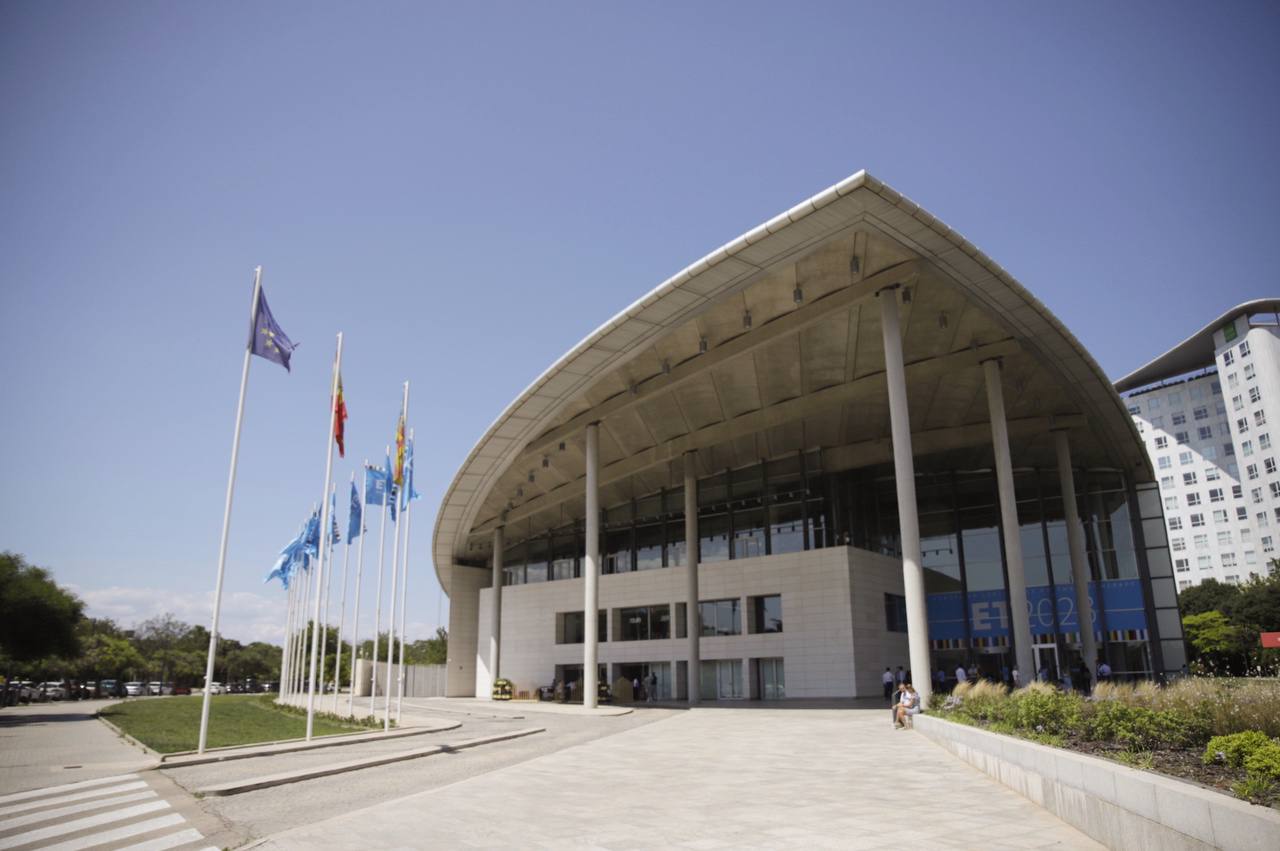
Palacio de Congresos de Valencia
Avinguda de les Corts Valencianes, 60
46015 Valencia
Spain
Transportation
The Valencia Airport, just 8 kilometres from the city centre, has regular daily flights to many European and international destinations. The city also has two main railway stations, the Estación del Norte, from which the local train network operates, and Joaquín Sorolla, offering AVE high-speed rail services to Madrid, Cuenca, Seville and Córdoba.
Travelling from the airport to the city centre by taxi takes 20 minutes and will cost €20-25. Alternatively, there are two public transport methods from the airport. The metro will take you to the centre in around 25 minutes, costing €4.80 for the journey. The bus (Line 150) is another method, costing only €1.50 and taking approximately 35-40 minutes. It runs every 20-30 minutes.
Valencia has an excellent public transportation network (subway, bus, tram) connecting all neighbourhoods and major tourist areas. Single tickets cost €1.50, while the SUMA card allows for ten journeys for €9 (plus €1.10 for the card).
The Valencia Conference Centre is linked to the city via the 62, 63, 99 and N3 bus routes. The Beniferri metro station and Palau de Congressos tram station are nearby which connect the venue to the airport and city centre.